Plant & Earth Pigments!
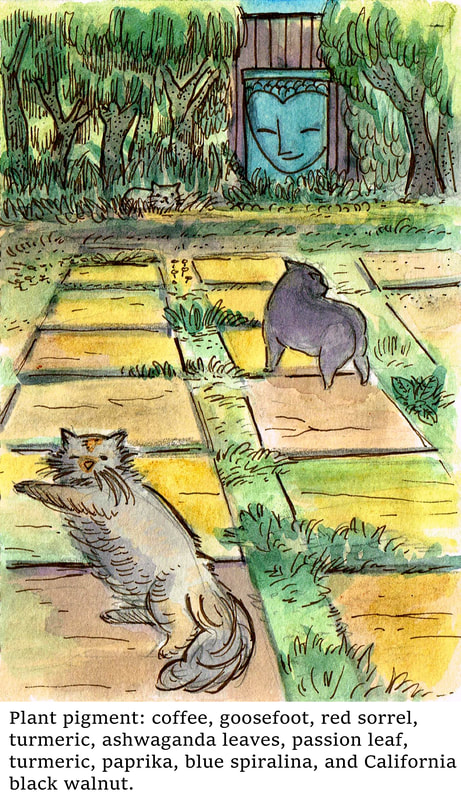
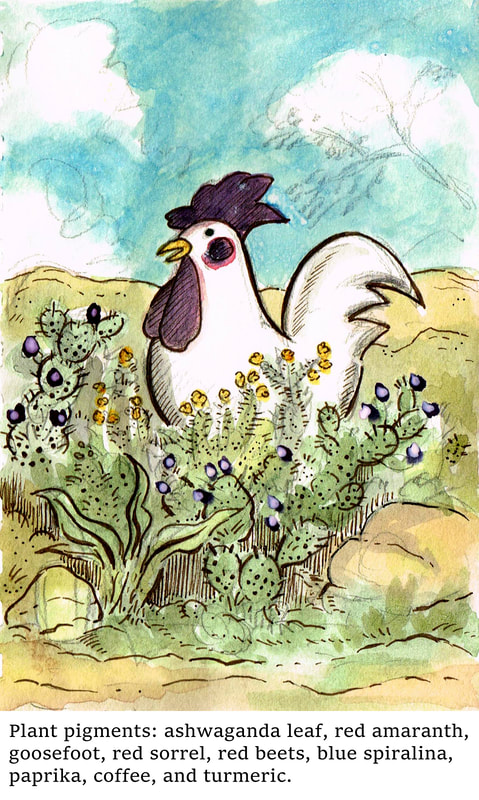
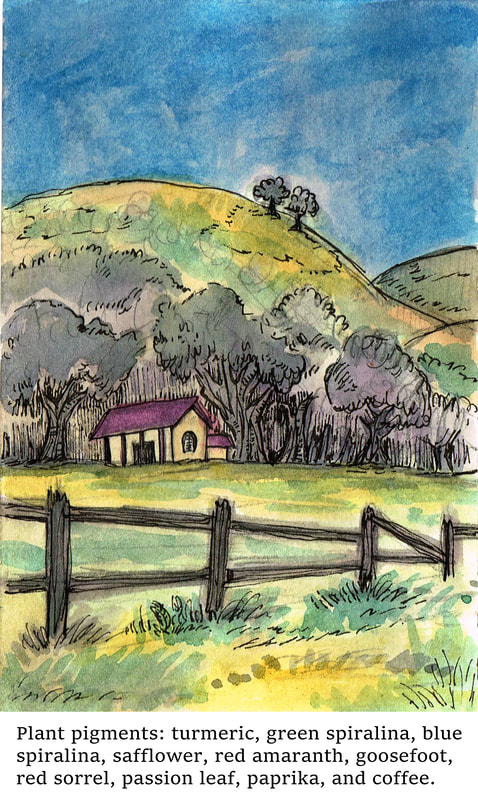
On this page you will find information on how to make your very own colors from plants and a few of my favorite plant colors.As you can see from below, you can get very nice colors from your kitchen pantry! (Turmeric, I’m looking at you!) One of my favorite pigments is from California Black Walnut, a native species found around Los Angeles. It yields a wonderful warm brown!
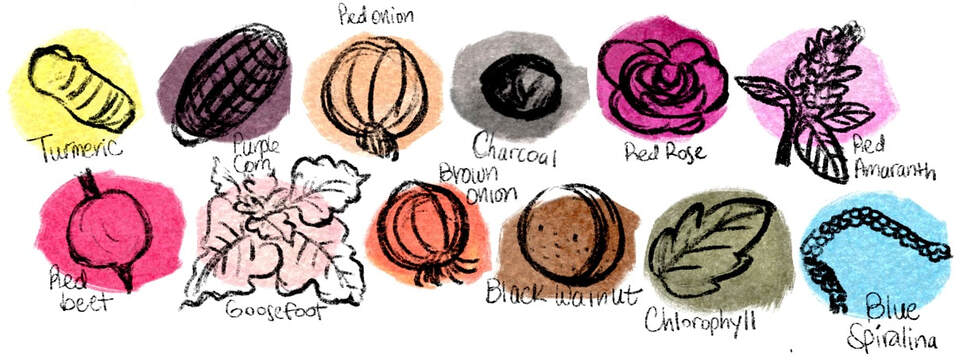
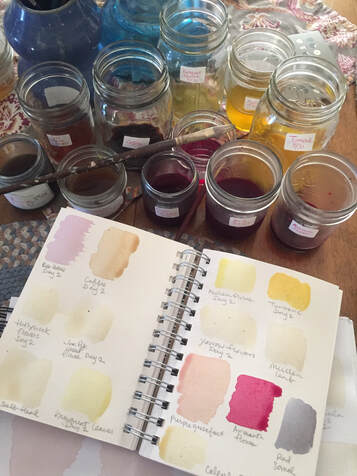
As you can see, some plant colors, such as Amaranth flowers, are very intense!
|
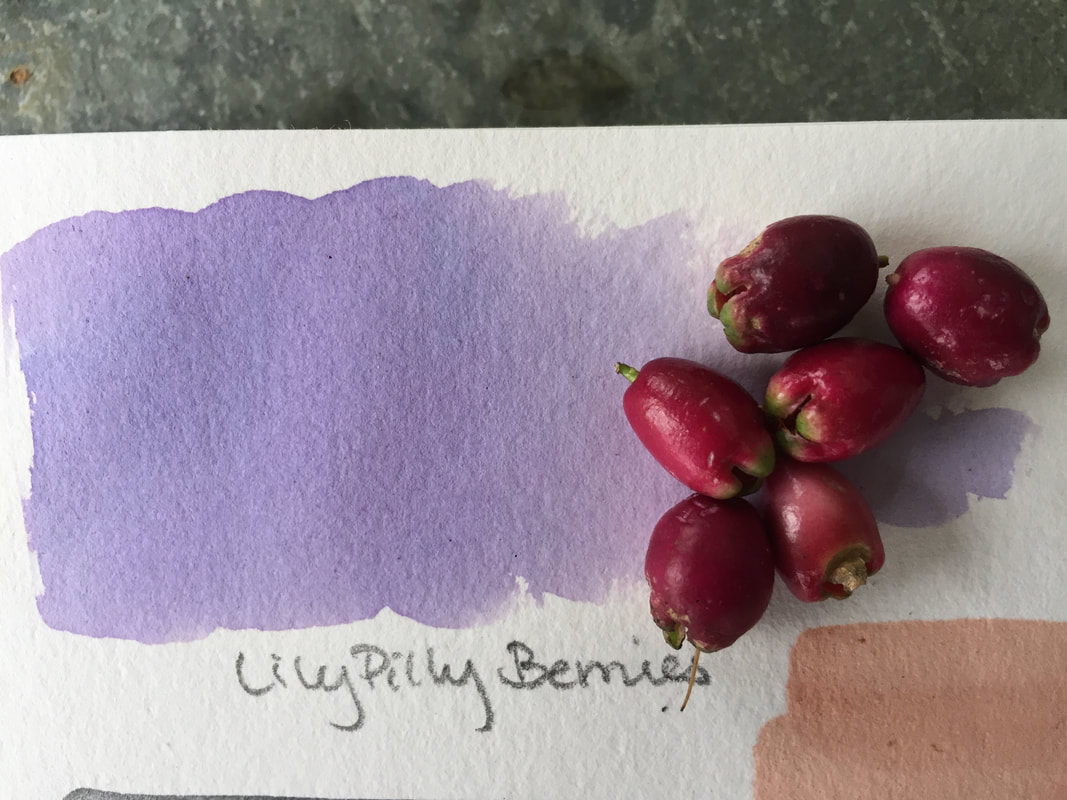
Lilly Pilly shrubs are native to Australia, but they can grow in Southern California. The fruit itself isn’t very sweet and is a bit tart. They make a lovely purple!
|
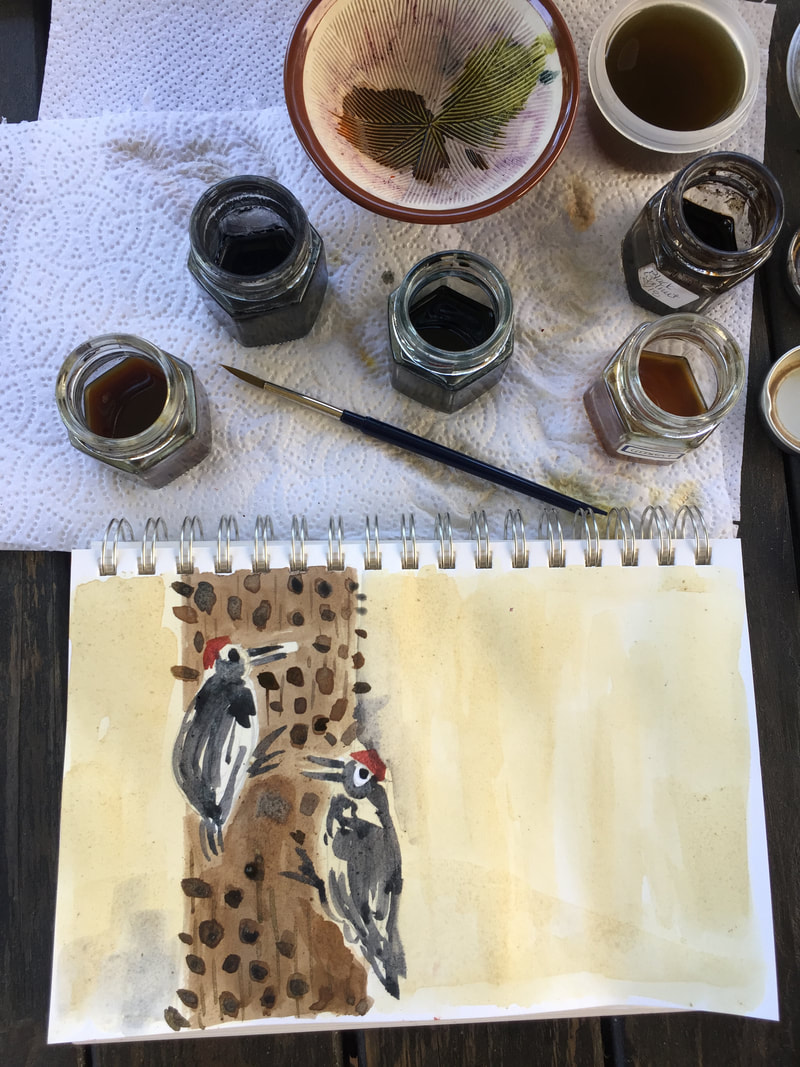
My initial painting done with all plant pigments. As you can see, their color is very earth toned and lacks the vibrancy found in store bought colors. So I punch up the colors digitally!
|
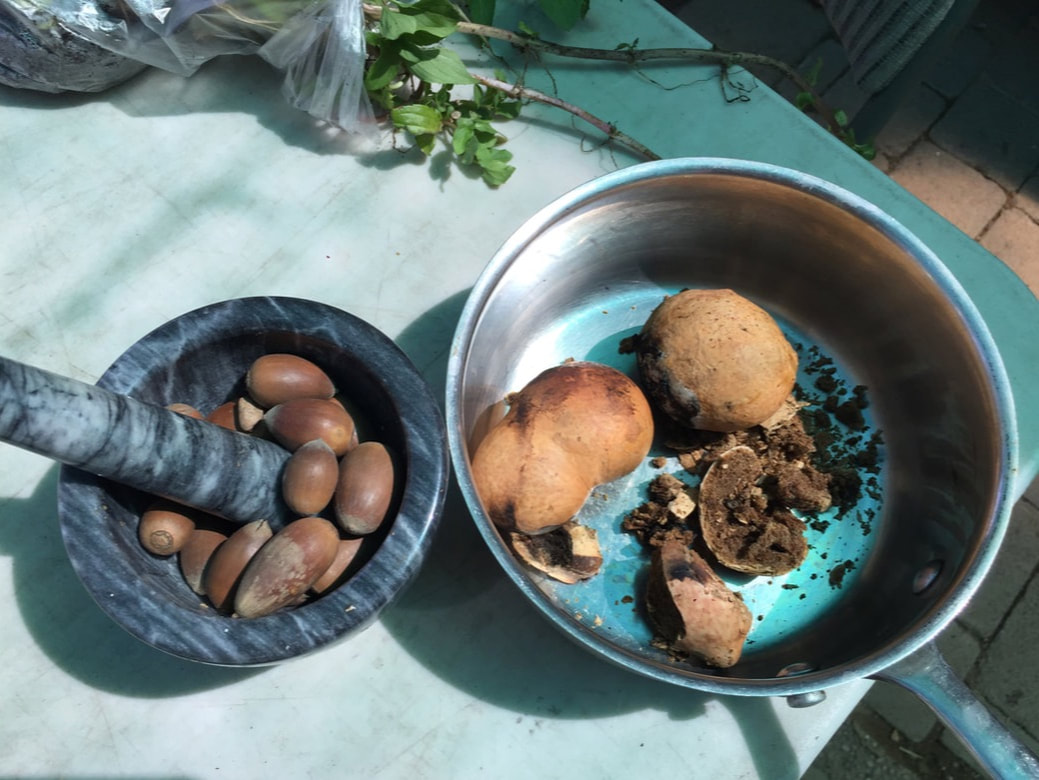
These are used to make the browns and yellows that you see in the left painting of the acorn woodpeckers. Since the story is about acorn woodpeckers, I made pigments from old acorns that have been lying around and my collection of oak galls!
|
Super Easy Way to Make Pigments in 4 easy steps!
1. Gather your plant materials. 2. Smash/Rip them if possible, then put them in a pot of boiling water (only a cup of water) 3. Stir, let it boil for a few minutes (don’t let the water evaporate), then turn off the heat and let it steep for a few minutes. 4. Strain the liquid into a small glass jar with lid, make sure to squeeze the plant material to get all the juices out. Date and label it and keep it in the fridge! Plant colors can vary immensely. Some plants make stronger pigments while others are super light. Best way is to experiment! Sometimes I’ll re-use the strained liquid and add more fresh plant materials in it to help draw out a stronger color! |
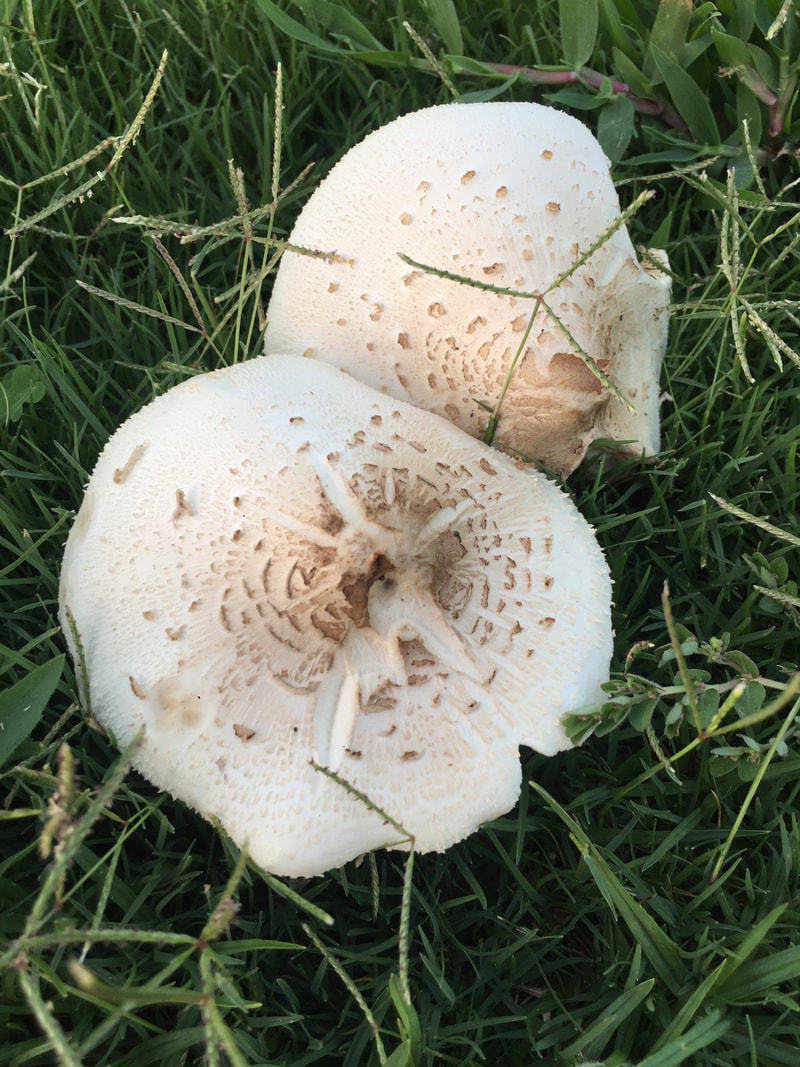
Did you know mushrooms can make dyes? I don’t know if these shrooms in this picture make color, but I do have a bottle of mushroom ink! It is a beautiful light golden yellow.
|
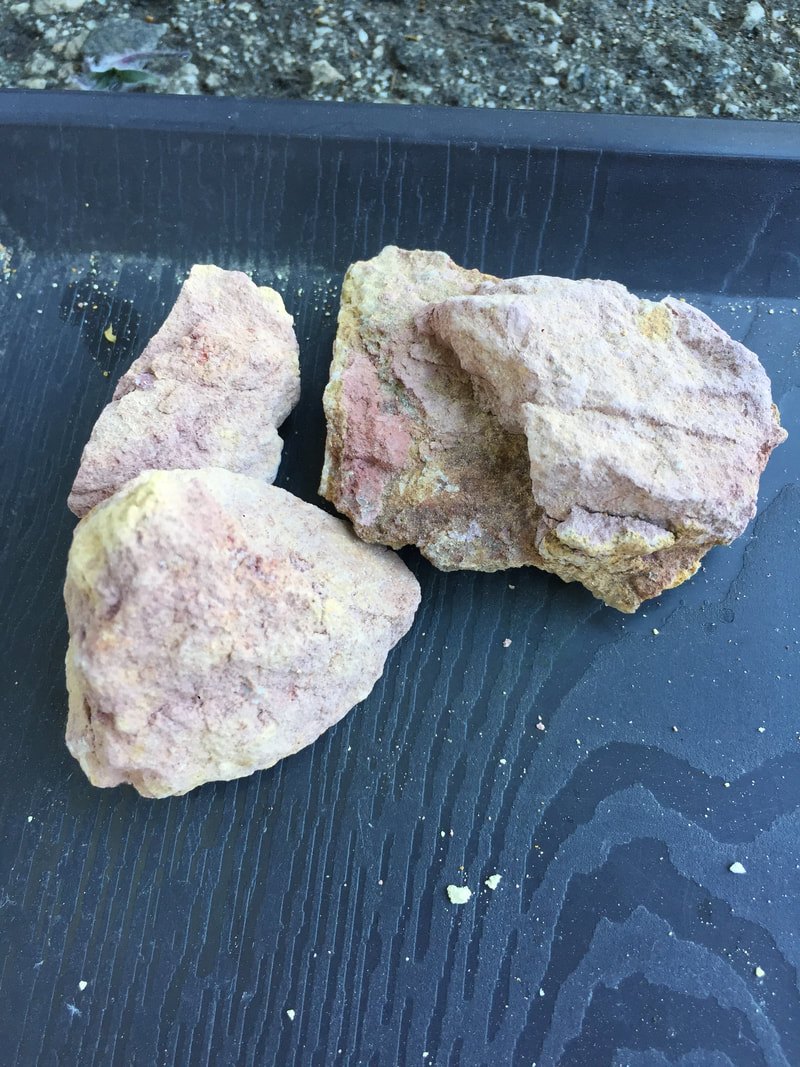
While exploring the beach, I came upon an outcrop of earth pigment! I gathered a few (always be mindful of how much you gather from nature and be grateful the earth is sharing her bounty with you!)
|
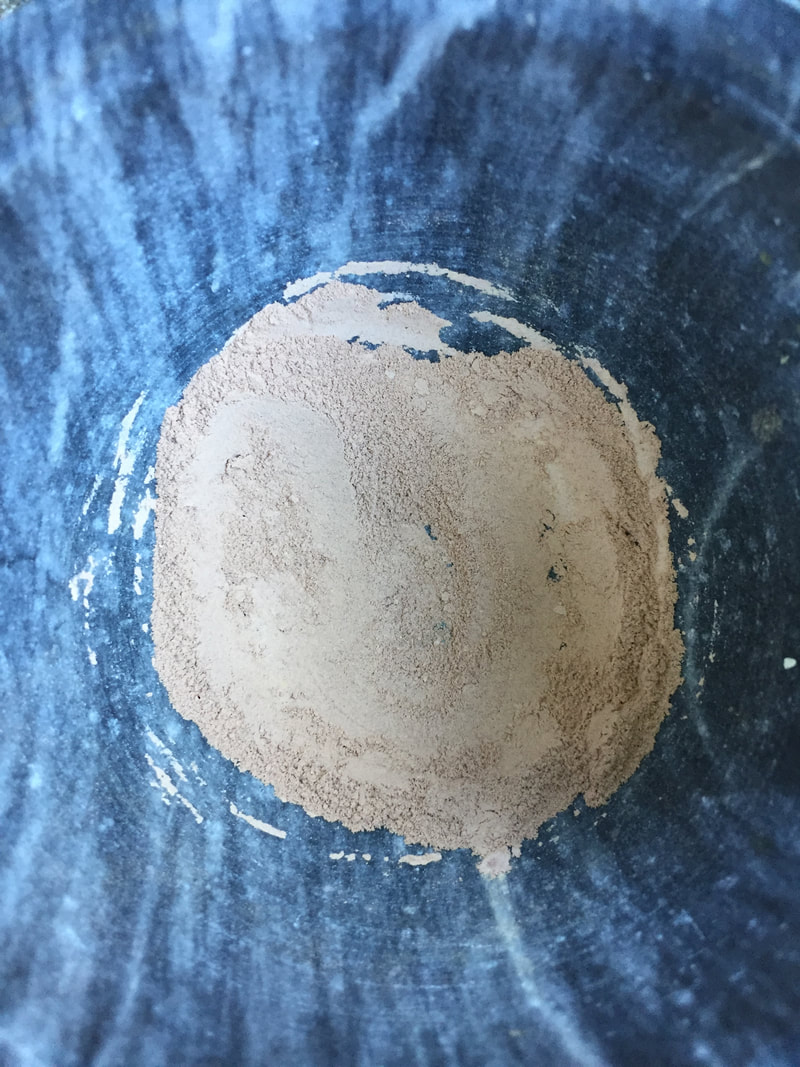
I ground the chunk of earth into a powder, although it was hard to get it fine. The end result was a very light, lavender like color.
|